
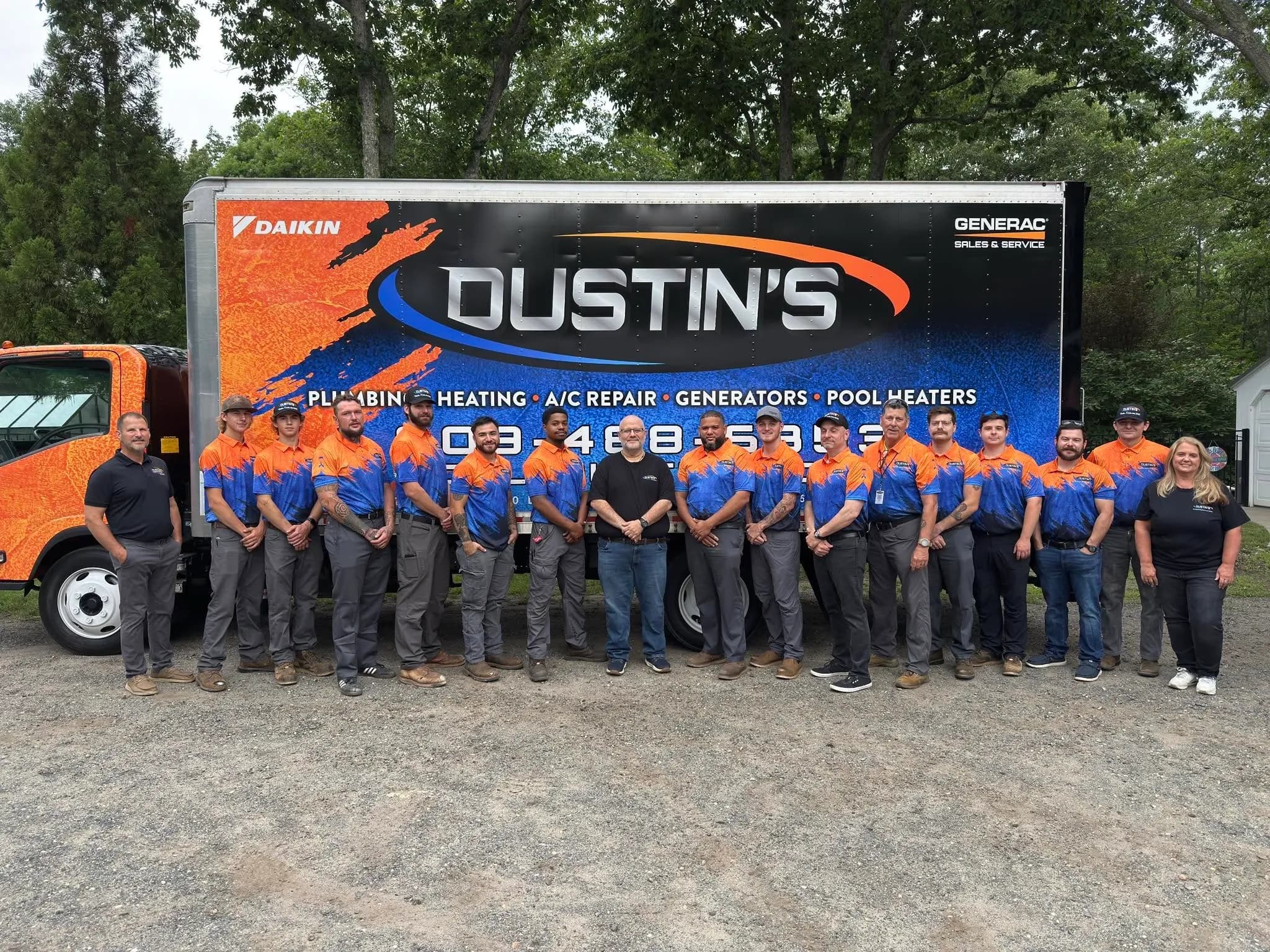
HVAC Guide for First-Time Homebuyers in New Egypt, NJ
Serving New Egypt and Central New Jersey since 2010.
The HVAC system you inherit when you buy a home is one of its most expensive components, and most home inspections give it only a surface-level review. To understand what you actually have, check the equipment age from the manufacturer’s nameplate, assess the filter condition, and look at the visible ductwork. For first-time buyers in New Egypt, NJ, this knowledge is the difference between walking into your new home with a clear plan and facing a costly repair or replacement in your first year.
You signed the papers, got the keys, and now you’re standing in a house that’s officially yours. The excitement is real. So is the learning curve. One of the systems most first-time homebuyers know the least about is also the one that directly controls daily comfort: the HVAC system. In Central New Jersey, where summers run hot and humid, and winters push a furnace hard through December and February, understanding your heating and cooling equipment from day one isn’t optional.
At Dustin’s Plumbing, Heating and A/C Repair, we have been serving homeowners in New Egypt and the surrounding Central Jersey area since 2010. We see a familiar pattern every spring: new homeowners who bought in the fall with a working furnace now facing an AC system that hasn’t been serviced in years. This guide walks you through what to check, what the numbers mean, and what decisions you’ll face early in homeownership.
What the Home Inspection Tells You About HVAC (and What It Doesn’t)
A standard home inspection covers HVAC systems, but its scope is limited. The inspector runs the equipment, confirms basic operation, and looks for obvious problems. They are not required to pull the air handler, scope the ductwork, or load-test the compressor. That means you can close on a house with a 17-year-old furnace that performed fine during the inspection and faces imminent failure when heating season arrives.
How to read the system age from the manufacturer’s nameplate. Every HVAC unit carries a manufacturer nameplate with a model and serial number. Most manufacturers encode the manufacture date into the serial number format. Carrier, for example, uses the first four digits to indicate the year and week of manufacture. Lennox and Trane use different formats. If you’re not sure how to decode yours, photograph both the model and serial number and contact a licensed HVAC contractor. This check is worth doing before closing, not after.
What filter condition actually tells you? A clogged or collapsed air filter tells you two things: the system has been operating under restricted airflow conditions, which stresses the blower motor, and maintenance was not a priority for the previous owner. A fresh filter at closing tells you less than you might think. Some sellers swap filters before listing. More useful is the condition of the air handler itself. Visible dust or organic buildup on the blower wheel points to a longer-term maintenance problem than a single dirty filter.
Ductwork condition and what to look for. If ductwork is accessible in the basement, attic, or crawl space, take a few minutes to look at it. Disconnected duct sections, deteriorated tape that has pulled away from joints, or flex duct that is kinked or crushed all reduce system efficiency and can create air quality problems. According to the U.S. Department of Energy, duct losses can account for 20 to 30 percent of energy waste in a typical central air system. Our guide on
duct replacement and lifespan covers this topic in more detail: how often do ducts need to be replaced.
HVAC Equipment Lifespans in New Jersey: What to Plan For
New Jersey’s climate puts real demands on HVAC equipment. Central Jersey summers regularly bring heat indexes above 95 degrees with high humidity, and winter temperatures hold below freezing for weeks at a time. That is a system running hard in both directions, which directly affects how long equipment lasts.
Equipment Type
Typical Lifespan
Signs Approaching End of Life
Central Air Conditioner
15 to 20 years
Frequent repairs, reduced cooling output, and rising energy bills
Gas Furnace
15 to 20 years
Short-cycling, uneven heating, visible rust on the heat exchanger
Heat Pump
15 to 20 years
Loss of heating or cooling efficiency, increased run time
Boiler
20 to 30 years
Leaks, pressure loss, cold spots on radiators
Air Handler
15 to 20 years
Blower failure, motor overheating, unusual noise
Ductwork
20 to 25+ years
Gaps at joints, visible deterioration, and musty odors at registers
Equipment age is a guideline, not a guarantee. A well-maintained furnace installed correctly can run reliably past 20 years. A unit that was poorly sized, installed without proper airflow balance, or rarely serviced may fail at 10. The most reliable indicator isn’t age alone. It’s age combined with maintenance history and current condition. Annual maintenance catches small issues, such as a failing capacitor, a low refrigerant charge, or a worn ignitor, before they compound into major failures.
Repair or Replace? How to Decide What to Do With an Inherited System
This is the question we hear most often from first-time buyers in New Egypt. The honest answer depends on three factors: the age of the equipment, the nature and cost of the needed repair, and the efficiency gap between what you have and what a replacement would provide.
A practical rule that holds up in the field: if the estimated repair cost exceeds half the cost of a new system and the equipment is within five years of its expected lifespan, replacement is typically the more cost-effective choice over a three- to five-year horizon. A 15-year-old air conditioner needing a new compressor is a replacement candidate. A 7-year-old unit with a failed capacitor is a clear repair.
Efficiency is part of the calculation, too. According to the U.S. Environmental Protection Agency, ENERGY STAR-certified central air conditioners use approximately 15 percent less energy than standard models. A higher-efficiency replacement often offsets a portion of its own cost through lower utility bills over time. New Jersey utility providers, including JCP&L and PSE&G, offer rebate programs for qualifying high-efficiency replacements. When the situation isn’t clearly a repair or a replacement, a professional assessment with real diagnostic data is the most reliable starting point.
What New Egypt Customers Say About Dustin’s Plumbing, Heating, and A/C Repair
A System Assessment Done Right. Plan Built to Fit the Budget.
David A., a homeowner in our service area, called us in when his HVAC system wasn’t performing right. He wasn’t sure what he was dealing with or what it would take to resolve.
“Francis and Dustin were the best techs I’ve had work on my home. Checked the whole system, built a plan to fit my budget, and got the system up and running on the first.”
That outcome is what a good diagnostic visit should deliver: a complete picture of the system’s condition, honest recommendations, and a plan the homeowner can work with.
Why Building a Relationship With a Local HVAC Contractor Before Something Breaks Is Worth It
Most homeowners only call an HVAC company when something fails. That reactive approach is understandable, but it creates a problem with predictable timing: when your furnace stops heating in January, or your AC goes down in July, everyone else in the area is calling too. Availability is tight, diagnostic time is compressed, and options are narrower than they would be outside of peak demand.
Establishing a relationship with a licensed local contractor before a problem occurs changes that dynamic. Annual maintenance keeps the system running efficiently, extends equipment life, and creates a documented service history that supports future warranty claims and resale value.
A good first step for new homeowners is scheduling an AC maintenance visit in the spring or a furnace maintenance appointment in the fall. This provides a professional read on the system without any emergency pressure.
Our membership plan covers scheduled maintenance visits and includes priority service scheduling, which matters most when demand is highest.
Why New Egypt Homeowners Choose Dustin’s Plumbing, Heating and A/C Repair
We have been serving Central New Jersey homeowners since 2010. Here is what that experience means for you on your first call:
- Licensed on every job: All HVAC work is performed under HVAC License 19HC00305600, meeting New Jersey’s requirements for heating, cooling, and refrigerant handling.
- Accurate diagnostics first: We identify what is actually wrong before recommending any repair, so you are not paying for parts the system does not need.
- Transparent cost comparison: When replacement is a real option, we present both paths with full cost transparency. You make the call with complete information.
- Maintenance before emergencies: Our membership plan covers two HVAC tune-ups per year and provides priority scheduling when demand is highest.
- Serving New Egypt since 2010: We know the housing stock, the local climate demands, and the systems most commonly found in homes throughout Central Jersey.
Schedule HVAC Service in New Egypt, NJ
If you just closed on a home in New Egypt and want a professional assessment of your HVAC system, visit calldustins.com to schedule a service appointment.
We cover AC installation and replacement, furnace installation and replacement, seasonal maintenance, and emergency service across New Egypt and the surrounding area.
Frequently Asked Questions for First-Time Homebuyers About HVAC in New Egypt, NJ
What should I do first when I move into a new home to check the HVAC system? Start by locating the air filter and checking its condition. Then, photograph the manufacturer’s nameplates on the furnace and outdoor AC unit or heat pump to determine equipment age. Run the heat and the cooling through a full cycle to confirm they respond correctly to the thermostat. If the system is more than 10 years old or the filter condition suggests neglect, scheduling a professional inspection before your first heating or cooling season is a practical next step. A licensed technician can check refrigerant levels, inspect the heat exchanger for cracks, and evaluate the ductwork in ways a visual check cannot.
How do I know if my HVAC system is the right size for my home? Proper HVAC sizing is determined through a Manual J load calculation, which accounts for square footage, insulation levels, window area, ceiling height, and local climate data. A system that is too small won’t keep up in extreme weather. A system that is too large has short cycles, meaning it turns on and off before completing a full conditioning cycle, which increases equipment wear and reduces the system’s ability to control indoor humidity. According to ASHRAE, oversized cooling equipment is one of the leading causes of elevated indoor humidity in homes. If your home feels clammy in summer even with the AC running, oversizing or a ductwork airflow issue may be the cause.
What is the difference between a furnace, a heat pump, and a boiler? A furnace burns fuel, typically natural gas, propane, or heating oil, to generate heat and distributes it through ductwork. A heat pump is an electric system that moves heat rather than generating it, and can both heat and cool a home using the same equipment. A boiler heats water and distributes warmth through radiators or radiant floor systems rather than forced air. In New Egypt, the most common configuration is a gas furnace paired with a central air conditioner, though heat pumps are increasingly popular as an energy-efficient alternative.
Is it worth getting an HVAC maintenance plan as a new homeowner? For most first-time homeowners, yes. A maintenance plan provides scheduled professional service twice a year, typically one heating tune-up before winter and one cooling tune-up before summer. This keeps the system operating efficiently, creates a documented maintenance record, and helps satisfy manufacturer warranty requirements, which often specify that regular professional service is maintained. For a new homeowner who inherited a system without any service history, starting a documented record from day one protects the warranty, supports future resale, and gives you a clear picture of the system’s condition over time.
When should I consider replacing the system I inherited rather than maintaining it? The general threshold is this: if the repair cost exceeds half the cost of a comparable replacement and the equipment is within five years of its expected lifespan, replacement is usually the smarter financial decision over a three- to five-year horizon. Beyond cost, consider efficiency. Systems manufactured before 2023 were built to lower SEER efficiency standards than current equipment. In New Jersey, rebate programs from utilities like JCP&L and PSE&G sometimes offer incentives for qualifying high-efficiency replacements, which can reduce the out-of-pocket cost.
Key Takeaways
- Most home inspections assess HVAC systems at a surface level. A separate professional diagnostic provides a full picture of equipment age, condition, and estimated remaining service life.
- HVAC system age is encoded in the manufacturer’s serial number on the unit nameplate. A licensed contractor can decode it from a photograph.
- According to the U.S. Department of Energy, duct losses account for 20 to 30 percent of energy waste in a typical central air system.
- Typical lifespans in Central New Jersey: central air conditioners 15 to 20 years, gas furnaces 15 to 20 years, heat pumps 15 to 20 years, and boilers 20 to 30 years.
- ENERGY STAR-certified central air conditioners use approximately 15 percent less energy than standard models, per the U.S. Environmental Protection Agency.
- According to ASHRAE, oversized cooling equipment is a leading cause of elevated indoor humidity. If a home feels damp in summer with the AC running, improper sizing or ductwork airflow issues are worth investigating.
- A repair-or-replace decision should weigh equipment age, repair cost relative to replacement cost, and the efficiency gap between the current system and a new unit.
- New Jersey utility providers including JCP&L and PSE&G offer rebate programs for qualifying high-efficiency HVAC replacements.
Citations and References
U.S. Department of Energy — Duct Sealing and Home Heating Systems
U.S. Environmental Protection Agency — ENERGY STAR Certified HVAC Equipment
ASHRAE — HVAC Design Standards and Residential Load Calculations
Proudly Serving Central New Jersey.
16 towns across Monmouth, Ocean, Burlington, and Mercer counties — with crews based out of New Egypt and Freehold.
- Bordentown
- Browns Mills
- Cranbury
- East Windsor
- Freehold
- Hightstown
- Howell
- Jackson
- Manalapan
- Mansfield
- McGuire AFB
- North Hanover
- Pemberton
- Plumsted Township
- Princeton
- Wall
Don't see your town? Call us — we probably cover it.
Check Your ZIP
Real Homeowners. Real Towns.

Matt, John, and Chris, came and did a wonderful job installing my new HVAC system. It was a very hot job up in the attic on this very humid day. When the job was completed, they were very thorough in cleaning up by

Charles, Devin, and Chris were extremely professional, courteous, and did an outstanding job from start to finish. Their attention to detail, communication, and quality of work truly stood out. I previously used

These guys are great and I love working with a family owned business. Two of their senior techs, John and Chris, did a water heater flush yesterday, great deal at only $55 with tax, they did a great job and are helping

WOWWW!!! I’m ABSOLUTELY BLOWN AWAY by such an amazing group of people at Dustin’s Mechanical! During this unusually cold winter, my heating unit decided to throw in the towel and my BIGGEST concern was not getting

Amazing 2 workers chris and john. My rinnai water heater code 10. They both had to figure away to get into attic and because lennar such a horrible builder made access impossible. They both are so smart and were able to