


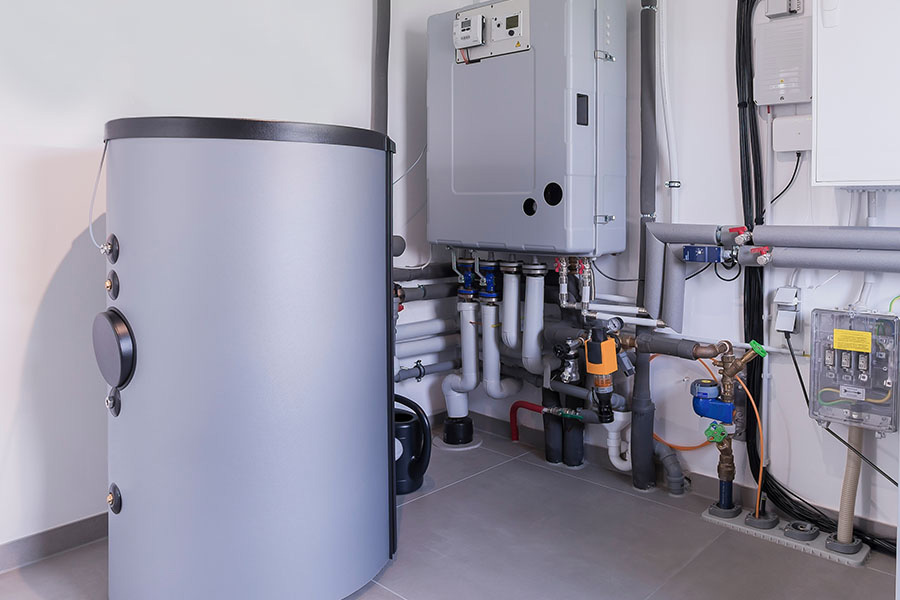
When your boiler acts up, it can feel like a storm brewing on the horizon. You need to be prepared with the right knowledge and tools to tackle any situation that arises. From understanding common issues to knowing when to call in professionals, these essential tips can help you navigate emergencies with ease. Let’s explore how you can stay ahead of the curve and keep your home warm and safe.
Understand Common Boiler Issues
When your boiler starts acting up, it’s crucial to identify common issues quickly to prevent further damage.
First, check for strange noises—banging or gurgling sounds might indicate air in the system or a buildup of sludge.
Next, look for leaks. Water pooling around your boiler can signal a serious problem that needs immediate attention.
If your boiler isn’t heating water properly or the radiators aren’t warming up, it could be a sign of low pressure or a faulty thermostat.
Finally, keep an eye on the pressure gauge; it should typically read between 1 and 2 bars. If it drops below 1, you might need to add water to the system.
Catching these problems early helps you avoid costly repairs and keeps your home cozy all season long. If your heating system continues to act up, don’t hesitate to reach out using our contact options for quick assistance
Know When to Call for Professional Help
If you notice unusual noises or smells coming from your boiler, it’s time to take action.
Inconsistent heating performance or any water leaks can signal serious problems that need professional attention.
Don’t hesitate to call for help—your safety and comfort depend on it. Additionally, if you’re unsure about the issue, refer to our customer inquiry options for guidance on how to proceed.
Unusual Noises or Smells
Unusual noises or smells from your boiler can signal a serious issue that needs immediate attention.
If you hear banging, whistling, or gurgling sounds, it might indicate air trapped in the system or a buildup of sediment. Don’t ignore these signs; they can lead to more significant problems if left unaddressed.
Likewise, if you notice a burning smell or a gas odor, you should act quickly. A burning smell may suggest overheating components, while a gas odor could indicate a leak, which is dangerous.
In both cases, it’s best to shut off the boiler and call a professional. Trust Dustin’s Plumbing Heating and A/C Repair for expert help to guarantee your home stays safe and comfortable.
Inconsistent Heating Performance
Experiencing inconsistent heating performance can be frustrating, especially when the temperature fluctuates unexpectedly throughout your home.
If you notice some rooms are warm while others are cold, it’s time to take action. This issue could stem from a faulty thermostat, blocked vents, or an aging boiler. Ignoring these signs can lead to more significant problems down the road.
Don’t hesitate to call a professional when you notice these inconsistencies. At Dustin’s Plumbing Heating and A/C Repair, we’re equipped to diagnose and fix heating issues efficiently.
Our experienced team will guarantee your system runs smoothly and effectively, restoring your home’s comfort. Remember, early intervention can save you time and money in the long run.
Water Leaks or Puddles
Noticing water leaks or puddles in your home can signal serious plumbing issues that require immediate attention.
Ignoring these signs could lead to extensive damage and costly repairs. Here are three key indicators that it’s time to call for professional help:
- Unexplained Water Accumulation: If puddles appear without any clear source or explanation, it’s best to get a professional to investigate.
- Damp Walls or Ceilings: Water stains or mold growth indicate a leak that needs urgent attention.
- Decreased Boiler Performance: If your boiler’s efficiency drops, leaks could be causing the issue.
Don’t wait until it’s too late—contact Dustin’s Plumbing Heating and A/C Repair for expert assistance to guarantee your home stays safe and dry.
Gather Essential Tools for Quick Repairs
Before tackling a boiler repair, you need to gather some essential tools to make the job easier.
Make certain you have basic tools, safety equipment, and a checklist of replacement parts on hand. This preparation will save you time and help guarantee a successful repair. Additionally, be aware of the importance of privacy policies to ensure you handle any customer information correctly during the repair process.
Basic Tool Essentials
When an emergency boiler issue arises, having the right tools on hand can make all the difference.
You don’t want to waste time searching for equipment when every minute counts. Here are three essential tools you should keep handy for quick repairs:
- Adjustable Wrench – Perfect for loosening or tightening connections without needing multiple sizes.
- Screwdriver Set – A variety of screwdrivers guarantees you can handle any screws that come your way, whether Phillips or flat.
- Pipe Wrench – This tool is essential for gripping and turning pipes, making it invaluable during plumbing-related boiler issues.
Safety Equipment Requirements
Having the right tools is just the first step in handling a boiler emergency; safety equipment is equally important. You should always wear appropriate personal protective equipment (PPE) to prevent injuries.
Start with safety goggles to protect your eyes from steam and debris. A sturdy pair of gloves will shield your hands from sharp edges and hot surfaces. Don’t forget a hard hat if you’re working in an area with potential overhead hazards.
A fire extinguisher should always be on hand, just in case. Additionally, wear non-slip footwear to maintain grip on potentially wet or oily surfaces.
Replacement Parts Checklist
To handle a boiler emergency effectively, it’s important to gather the right replacement parts beforehand.
Having the necessary components on hand can save you time and stress during an unexpected breakdown.
Here’s a quick checklist of items to keep ready:
- Thermostat – A malfunctioning thermostat can cause heating issues, so having a spare is essential.
- Pressure Relief Valve – This is critical for safety; a faulty valve could lead to dangerous situations.
- Ignitor or Burner Assembly – If your boiler won’t ignite, having these parts ready can get things running again swiftly.
Shut Off the Boiler Safely
Before you attempt to shut off your boiler, it’s crucial to guarantee your safety and that of your home. First, locate the power supply and turn it off; this will prevent electrical hazards.
If your boiler runs on gas, find the gas shut-off valve and turn it to the off position. Always allow the system to cool down before handling any components to avoid burns.
Next, verify you’ve got proper ventilation; this will help dissipate any potential gas fumes safely. If you smell gas, leave the area immediately and contact a professional.
Keep an eye out for any leaks or signs of damage while shutting off the boiler. Once everything’s secure, document the situation and any irregularities. If you encounter issues during this process, don’t hesitate to reach out for assistance.
Check the Pressure Gauge Regularly
You should check your boiler’s pressure gauge regularly to guarantee it’s operating efficiently.
Keeping an eye on the ideal pressure range can help you spot any potential issues before they escalate.
If you notice the pressure fluctuating, it’s time to take action to prevent costly repairs.
Importance of Pressure Monitoring
Regularly checking the pressure gauge is vital for maintaining your boiler’s efficiency and safety.
By keeping an eye on the pressure, you can prevent potential issues that could lead to costly repairs or safety hazards.
Here are a few reasons why pressure monitoring is essential:
- Prevents Overheating: High pressure can cause your boiler to overheat, leading to damage or failure.
- Enhances Efficiency: Proper pressure levels guarantee your boiler operates efficiently, saving you money on energy bills.
- Identifies Leaks Early: Monitoring pressure helps you spot leaks or malfunctions before they escalate into bigger problems.
Stay proactive with your boiler maintenance, and you’ll enjoy reliable performance and peace of mind.
Ideal Pressure Range
Monitoring your boiler’s pressure gauge isn’t just about spotting potential issues; it’s also about understanding the ideal pressure range for peak performance.
Typically, the ideal pressure for residential boilers lies between 1 and 1.5 bars when cold and can rise to about 2.5 bars when heated. If your gauge shows a reading outside this range, it’s essential to take action.
Pressure that’s too low can lead to insufficient heating, while excessive pressure can risk damaging the system. Regularly checking the gauge helps you maintain optimal performance and prevent costly repairs.
Make it a habit to glance at your pressure gauge during routine checks, ensuring your boiler operates efficiently and keeps your home comfortable.
Signs of Pressure Issues
A boiler’s pressure gauge can reveal essential signs of pressure issues that might affect your system’s performance.
Keeping an eye on this gauge is vital for maintaining efficiency and safety. Here are three signs to watch for:
- Low Pressure: If the gauge reads below the ideal range, your boiler may struggle to operate effectively, leading to insufficient heating.
- High Pressure: A reading above the normal range can cause leaks or even dangerous failures, so take immediate action if you see this.
- Fluctuating Pressure: If the pressure bounces around erratically, it could indicate underlying issues, such as a faulty pressure relief valve.
Regularly checking your pressure gauge helps you catch problems early and keeps your boiler running smoothly.
Inspect for Leaks and Corrosion
Leaks and corrosion can silently wreak havoc on your boiler system, leading to costly repairs and uncomfortable living conditions.
To prevent this, you should regularly inspect your boiler for any signs of water leaks or rust. Start by checking the pipes and joints for moisture, as even a small drip can escalate into a major issue.
Next, look for any discoloration or flaking around the boiler itself; these are signs of corrosion that need immediate attention.
If you notice any of these issues, don’t hesitate to call a professional, like Dustin’s Plumbing Heating and A/C Repair, for expert assistance. They’ll provide a thorough assessment and recommend the best course of action.
Bleed Radiators to Improve Efficiency
After inspecting for leaks and corrosion, it’s important to guarantee your radiators are operating at peak efficiency. One common issue that can affect their performance is trapped air.
Bleeding your radiators can help release this air, improving heat distribution throughout your home. Here’s how to do it effectively:
- Turn off the heating: Always start with your heating system turned off to avoid any burns or injuries.
- Use a radiator key: Insert the radiator key into the bleed valve, usually located at the top of the radiator. Turn it counterclockwise until you hear a hissing sound.
- Close the valve: Once water begins to trickle out, close the valve by turning it clockwise.
This simple task can enhance your boiler’s efficiency, ensuring your home stays warm and comfortable while potentially lowering your energy bills.
Monitor for Unusual Noises
Boilers can sometimes emit unusual noises that signal potential issues requiring your attention. If you hear banging, clanking, or whistling, don’t ignore it. These sounds often indicate problems like air trapped in the system, sediment buildup, or internal component failure.
To prevent further damage, take immediate action. First, turn off the boiler to avoid exacerbating the problem. Then, try to identify the source of the noise. Is it coming from the pipes, the boiler itself, or the radiators? Documenting the noises can help a technician diagnose the issue more effectively when you call for assistance.
Regular maintenance can reduce the likelihood of these noises, but being vigilant can save you from emergency repairs. If you notice anything unusual, reach out to a professional like Dustin’s Plumbing Heating and A/C Repair for prompt service.
Your boiler’s health is vital for your home’s comfort, so don’t hesitate to act.
Keep Emergency Contact Information Handy
Being aware of unusual noises is just one part of keeping your boiler in top shape.
Another vital step is to keep emergency contact information handy. When your boiler malfunctions, you want to act quickly, and having the right numbers at your fingertips can save you valuable time and stress.
Here are three essential contacts you should always have:
- Local Emergency HVAC Service: Know your trusted service provider, like Dustin’s Plumbing Heating and A/C Repair, who can respond quickly to your needs.
- Gas Company: In case of a gas leak, you’ll need to contact your gas provider immediately for safety.
- Insurance Company: Keep your insurance information handy for any claims related to boiler issues.
Schedule Regular Maintenance to Prevent Emergencies
While unexpected boiler failures can be stressful, scheduling regular maintenance can greatly reduce the risk of emergencies.
By having a professional service, like Dustin’s Plumbing Heating and A/C Repair, inspect your boiler regularly, you can catch potential issues before they escalate. These routine check-ups help guarantee your system operates efficiently and safely, ultimately saving you money on repairs and energy bills.
During maintenance, technicians can clean components, check for leaks, and verify that all safety features function correctly.
You’ll also gain peace of mind knowing your boiler is in good condition.
Don’t wait for a breakdown to book a service; proactive maintenance prevents many common problems.
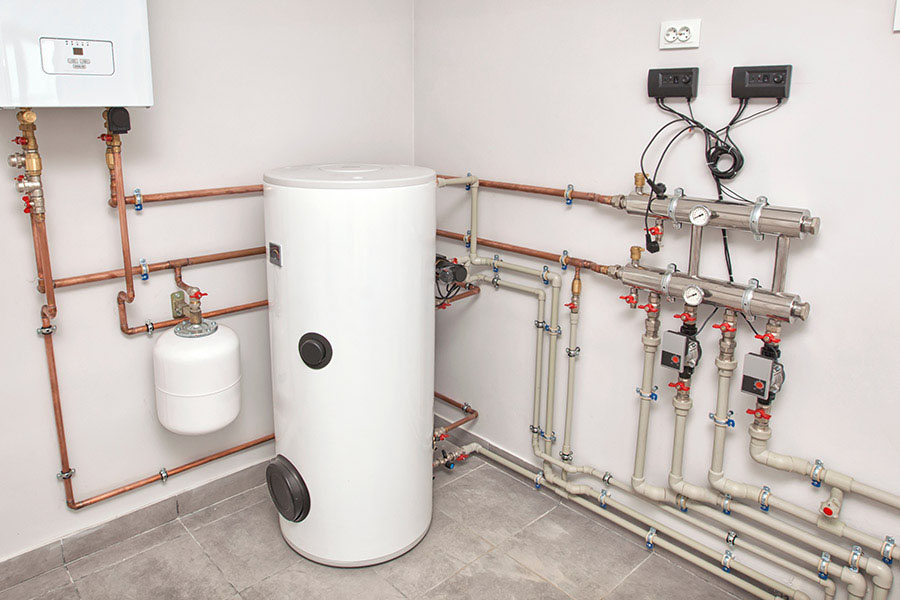
Conclusion
In the world of boiler care, a little prevention goes a long way. By staying vigilant and knowing these essential tips, you can dodge potential headaches and keep your home cozy. Remember, should the unexpected arise, having a trusty toolbox and a reliable HVAC service on speed dial can make all the difference. Embrace proactive maintenance, and you’ll enjoy a warm, worry-free environment, even when the chill of winter tries to sneak in.