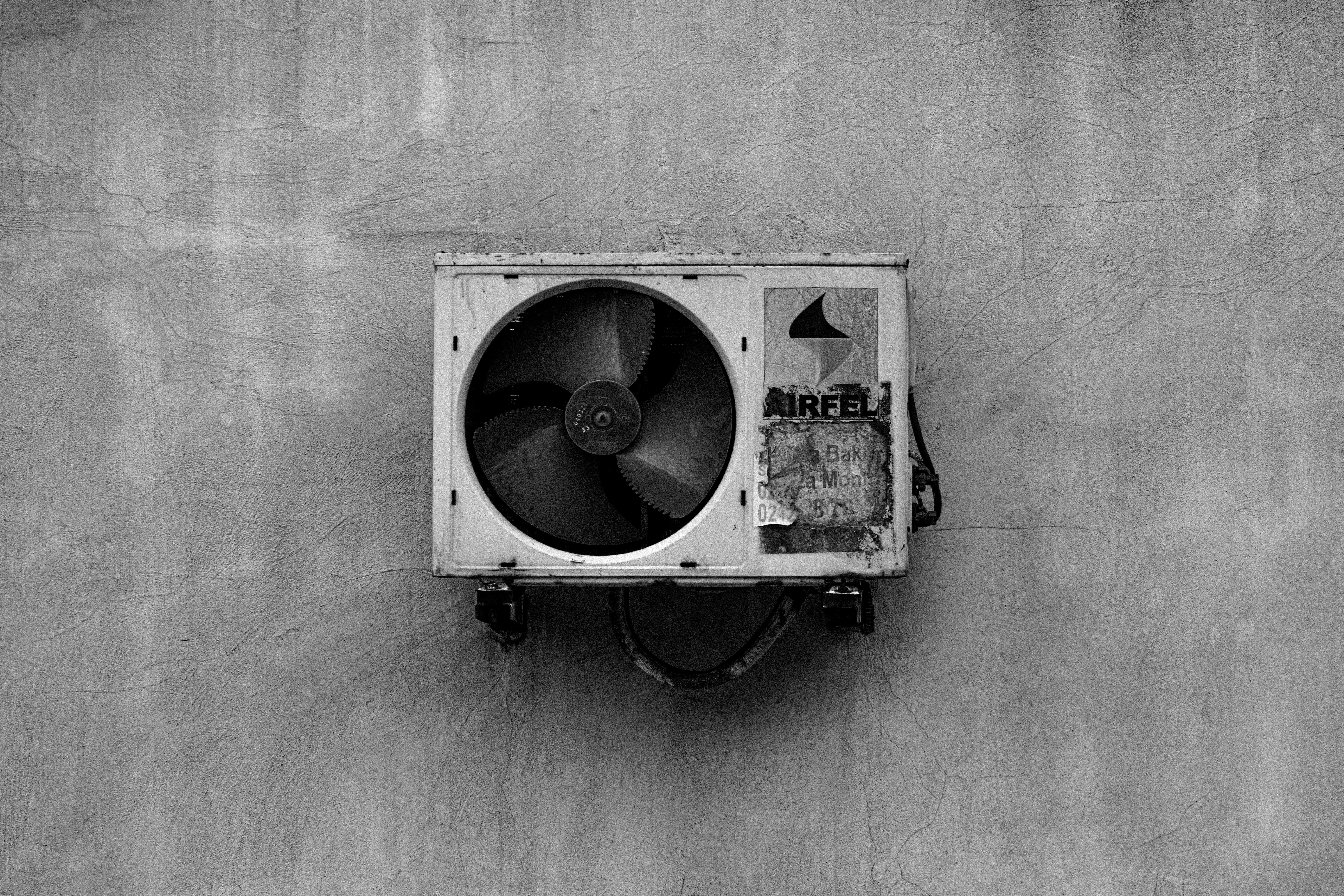
Why Is Ice Forming on My AC Unit During the Summer?
Ice forming on your AC unit during the summer is usually a sign of restricted airflow or a refrigerant-related problem that prevents the system from absorbing heat properly. When the evaporator coil becomes too cold, moisture in the air freezes on contact. Continuing to run a frozen air conditioner can lead to compressor damage and more extensive repairs.
What Causes an Air Conditioner to Freeze Up?
An air conditioner should remove heat from your home efficiently, even during the hottest days of summer. When ice begins forming on the unit, it often indicates a mechanical or pressure imbalance within the system.
Two of the most common causes are:
- Restricted airflow
- Low refrigerant levels caused by a leak
Both issues can cause the evaporator coil to become excessively cold. Instead of moisture condensing and draining away normally, it freezes on the coil and surrounding components.
As the ice builds up, airflow becomes even more restricted, creating a cycle that can quickly worsen. What may start as a small patch of frost can eventually cover a significant portion of the indoor coil.
How Does Restricted Airflow Lead to Ice Formation?
Proper airflow is essential for your AC system to absorb heat from your home. When airflow is reduced, the evaporator coil may not receive enough warm air to maintain normal operating temperatures.
Common airflow restrictions include:
- Dirty air filters
- Blocked supply or return vents
- Collapsed or damaged ductwork
- Failing blower motors
- Dirty evaporator coils
When airflow is insufficient, the coil temperature can drop below freezing. Moisture in the air then freezes on contact with the coil surface.
Homeowners in New Egypt, New Jersey often rely heavily on their cooling systems during the summer months. Even a minor airflow issue can become more noticeable when the AC is running for extended periods during hot weather.
Can a Refrigerant Leak Cause Ice on an AC Unit?
Yes. Refrigerant leaks are another common cause of frozen air conditioners.
Refrigerant is responsible for absorbing heat from inside your home and transferring it outdoors. When refrigerant levels drop below manufacturer specifications, system pressures can fall as well. This pressure imbalance can cause the evaporator coil temperature to drop below freezing.
Signs that may accompany a refrigerant leak include:
- Ice on refrigerant lines
- Reduced cooling performance
- Longer cooling cycles
- Warm air coming from vents
- Hissing or bubbling sounds near refrigerant lines
Because refrigerant systems operate under specific pressure requirements, specialized diagnostic equipment is needed to accurately identify leaks and verify refrigerant levels.
Simply adding refrigerant without locating the source of the leak may not resolve the underlying problem.
Why You Should Not Continue Running a Frozen AC
Many homeowners assume that if cold air is still coming from the vents, the system is functioning normally. However, operating a frozen air conditioner can place additional strain on critical components.
As ice accumulates on the coil, cooling performance decreases and system efficiency drops. The compressor must work harder to compensate for the reduced heat transfer.
Potential consequences of continued operation include:
- Compressor damage
- Increased wear on system components
- Higher energy consumption
- More extensive repair needs
If you notice ice on your AC unit, it is generally best to turn the cooling system off and allow the ice to melt before scheduling a professional inspection.
For homeowners throughout New Egypt, New Jersey and surrounding communities, addressing the issue early can help prevent a mid-summer breakdown when cooling demand is at its highest.
How HVAC Technicians Diagnose a Frozen AC System
Finding the root cause of a freeze-up requires more than simply removing the ice.
Professional HVAC technicians use specialized gauges and diagnostic tools to evaluate system performance. During an inspection, they may check:
- Refrigerant pressures
- Airflow throughout the system
- Blower motor operation
- Air filter condition
- Evaporator coil cleanliness
- Refrigerant line integrity
These tests help determine whether the issue is caused by restricted airflow, a refrigerant leak, a failing blower motor, or another system malfunction.
Routine maintenance can also help identify developing issues before they lead to freezing problems. Verifying airflow and refrigerant levels during regular service visits helps ensure the system continues operating according to manufacturer specifications.
FAQ
Can a dirty air filter cause my AC to freeze?
Yes. A dirty air filter can restrict airflow across the evaporator coil, causing temperatures to drop below freezing and allowing ice to form on the coil.
Will the ice go away if I turn off my AC?
The ice will typically melt after the system is turned off, but the underlying problem will still need to be diagnosed and repaired to prevent future freeze-ups.
Is ice on an AC unit dangerous?
Ice itself is not usually dangerous, but it is a sign that the system is not operating correctly. Ignoring the problem can lead to equipment damage and reduced performance.
How can I help prevent AC freeze-ups?
Regular maintenance, changing air filters as recommended, keeping vents unobstructed, and having refrigerant levels checked periodically can help reduce the risk of freezing issues.
FAQ: https://calldustins.com/faq/#why-is-ice-forming-on-my-ac-unit-during-the-summer
Conclusion
Ice forming on an AC unit during the summer is typically caused by restricted airflow or a refrigerant-related issue that prevents the system from absorbing heat properly. As the evaporator coil becomes too cold, moisture freezes on contact, leading to reduced performance and potential equipment damage if left unresolved.